
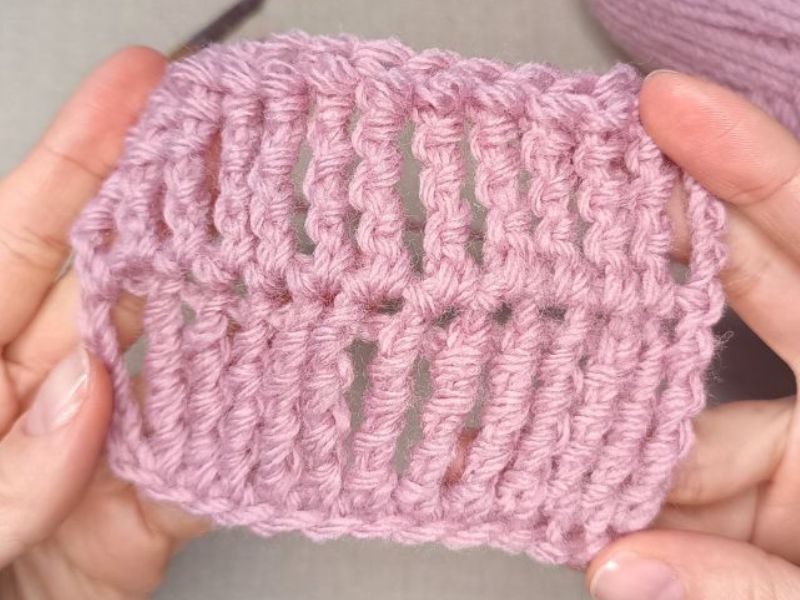
Discover the triple treble crochet, one of the tallest stitches in crocheting. If you’ve enjoyed the lacy look of double trebles, prepare for even more height with this stitch. Elevate your crochet skills and learn to create this beautiful stitch in no time. Continue reading to add this essential technique to your skill set!
If you are unfamiliar with tall crochet stitches, consider starting with these beginner tutorials:
Understanding the Triple Treble Crochet
The triple treble crochet, abbreviated as trtr, is considered a towering stitch in the realm of crochet. The additional yarn overs provide it with even more height compared to more common stitches. Picture it as a skyscraper surrounded by shorter buildings. Its impressive height gives projects a unique texture and an airy feel.
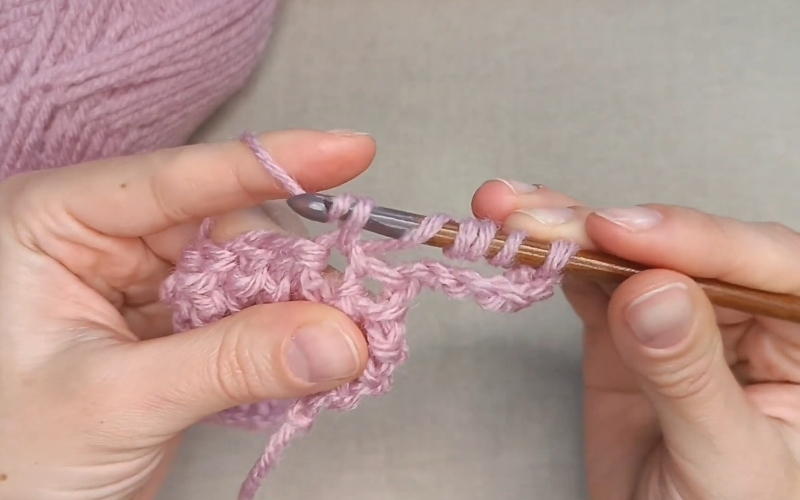
To create a triple treble stitch, you make four yarn overs before inserting the hook into the stitch. The result is a long, thin post. If you’re already skilled with tall crochet stitches, mastering the triple treble will be a breeze.
Differences Between Triple Treble and Regular Treble Crochet
The distinctive feature of the triple treble crochet compared to the regular treble crochet is the use of two extra yarn overs. While a standard treble crochet involves wrapping the yarn twice around the hook, the triple treble requires four yarn overs. This not only increases the stitch’s height but also contributes to the fabric’s unique drape. It is perfect for projects needing a delicate touch.
Using Triple Treble Crochet for Lace and Openwork
The triple treble crochet is excellent for lace and openwork designs. Its considerable height and open structure make it ideal for creating airy and delicate fabrics. Whether you’re crafting a summer shawl or a table runner, this stitch will provide the perfect touch.
How to Master Triple Treble Crochet
If you’re eager to learn this tall stitch, check out the “Master Triple Treble Crochet in 10 Minutes” resource. This guide is excellent for beginners, offering step-by-step instructions to ensure you grasp the technique quickly.
Creating a Foundation Chain for Triple Treble Crochet
When making a foundation chain for a triple treble crochet, ensure that it matches the stitch’s height. Usually, you need a chain longer than the foundations used for single or double crochets. The exact length will depend on your project’s requirements and your tension.
Setting Up the Turning Chain
The turning chain for a triple treble should consist of six chain stitches.
Tips for Keeping Your Triple Treble Crochet Stitches Even
When working with triple trebles, consistency is crucial. Always maintain steady yarn tension throughout your project. Practicing can help you develop a rhythm and find the ideal tension, resulting in uniform stitches.
Summary
Increasing your skill set by mastering the triple treble crochet stitch can take your crafting to the next level. Whether your next project involves creating a lacy summer shawl or a delicate doily, this stitch will ensure the result is a masterpiece.
FAQ
What is the crochet pattern abbreviation for a triple treble crochet?
Triple treble is usually abbreviated as “trtr” in crochet patterns.
Can I combine a triple treble crochet with other stitches?
Absolutely. Incorporating triple treble crochets with other stitches adds texture and visual interest to your work. Consider trying variations like front post triple treble crochet, back post triple treble crochet, and triple treble v-stitch.
Are there other names for triple treble crochet?
Some people may call it a quadruple treble crochet, especially in different regions or older patterns.
What are common mistakes beginners make with triple treble crochet?
Beginners may struggle with maintaining consistent tension and handling the multiple yarn overs without losing them. These issues can lead to uneven stitches, but regular practice will help you overcome them quickly.
How can I work with multiple colors in a triple treble crochet?
Creating colorful patterns is possible by switching colors at the start of a new row or even within a row. This technique can produce striking results.