Crocheting is a delightful hobby that not only provides a lot of amusement but also a great sense of accomplishment. Imagine the myriad of wonderful creations you can make with it. Whether you’re interested in making warm scarves or adorable coasters, this guide is your starting point. Discover the fundamental aspects of this craft and learn how to master crochet.
What is the difference between knitting and crocheting
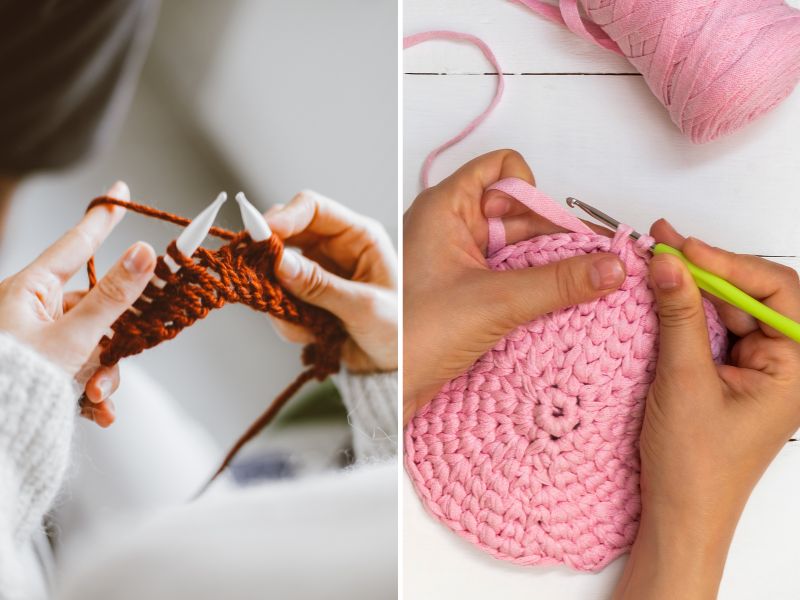
Knitting and crocheting are two distinct crafts that transform yarn into fabric. In knitting, you use two needles to create rows of interlocking loops. On the other hand, crocheting uses a single hook to form one stitch at a time. This approach allows for quicker completion of projects and enables the creation of various shapes like circles and squares.
What are the basic materials needed to start crocheting
To begin your journey into crocheting, you’ll need some essential supplies such as yarn, a crochet hook, and scissors. A yarn needle can also be useful for a beginner for weaving in ends. A measuring tape might come in handy to check the size of your work. Start with these basic tools and expand your collection as you learn more techniques.
How do I choose the right size crochet hook
Your project’s outcome can be significantly impacted by the size of the crochet hook you choose. The yarn label usually suggests an appropriate hook size. Beginners might find it easier to use a larger hook, like an H-8 (5mm), as this size makes it easier to see and work the stitches.
As you gain confidence, you can experiment with different sizes to refine your technique.
What is the best type of yarn for beginners
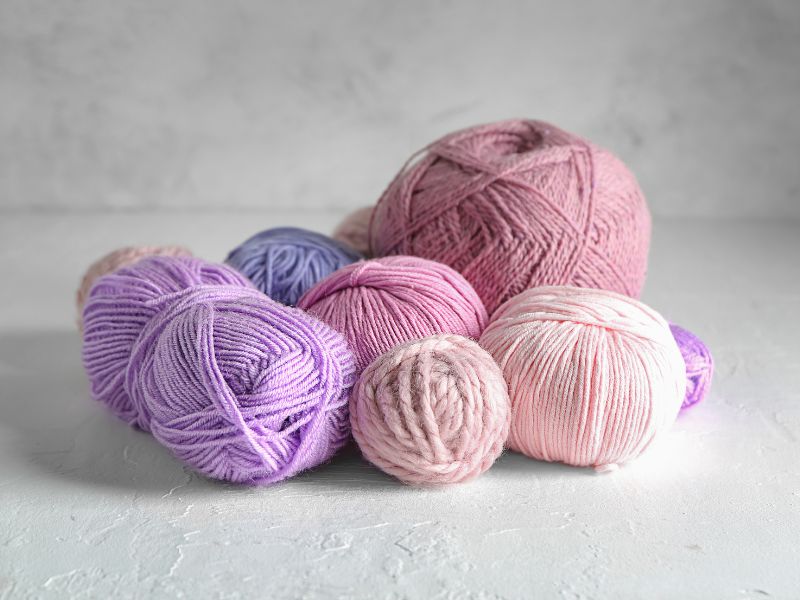
Medium-weight yarn, also known as worsted weight, is often the best choice for beginners. It’s thick enough to handle comfortably and works up quickly. Opt for a light color so you can see your stitches more clearly. It’s wise to avoid textured yarns at the start, as they can make learning stitches more challenging.
How do I hold the yarn and hook when crocheting
Developing a smooth crocheting technique requires holding the crochet hook and yarn correctly. There are two popular methods to hold your hook: the pencil grip and the knife grip. Choose the style that feels more natural to you.
Pencil grip
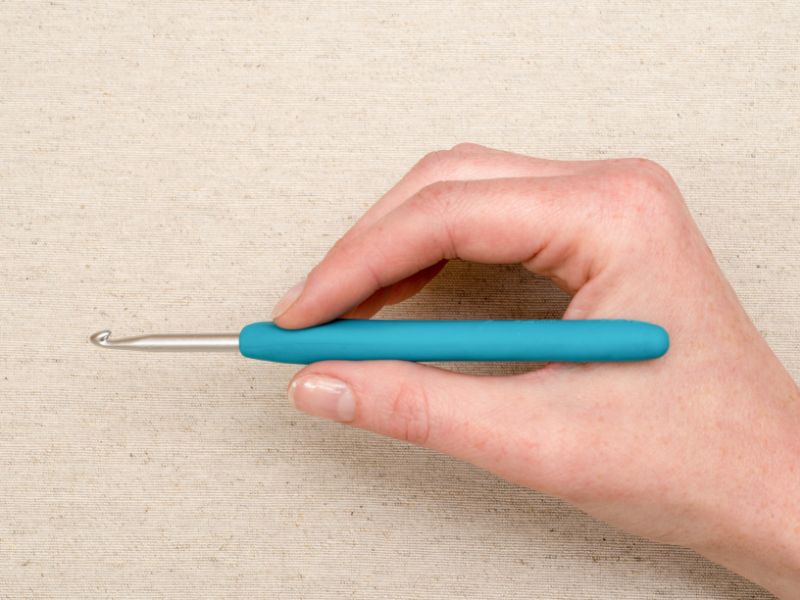
Hold your hook like a pencil in your dominant hand, with the handle resting against your palm. Secure it using your thumb and index finger near the flat part of the hook.
Knife grip
In the knife grip, hold the hook as you would a dinner knife with your dominant hand. Let the handle rest in your palm with your fingers wrapped around it and your thumb along the top side. This grip can reduce wrist strain, making it ideal for those experiencing hand fatigue.
How To Hold Your Yarn When Crocheting
Maintain tension on the yarn with your non-dominant hand. Weave the yarn through your fingers as follows: loop it over your pinkie, go under your ring finger, run it over your middle finger, and hold it firmly with your thumb and index finger.
- Loop it over your pinkie.
- Go under your ring finger.
- Run it over your middle finger.
- Hold it securely with your thumb and index finger.
This method will help you control the yarn flow and maintain even tension, leading to more consistent stitches.
What are the different types of crochet stitches
Crochet offers a variety of stitches that enable you to create different patterns and textures. Start by mastering the essential techniques, as these stitches form the foundation of all crochet projects and are ideal for beginners:
- Chain Stitch (ch): This is usually the starting point for most projects and helps create the foundation row.
- Slip Stitch (sl st): This stitch joins other stitches without adding height, often used for seaming or rounds.
- Single Crochet (sc): The most basic stitch, forming a tight and dense fabric.
- Half Double Crochet (hdc): Taller than a single crochet but shorter than a double, it adds texture.
- Double Crochet (dc): Twice the height of a single crochet, used commonly in sweaters and blankets.
- Treble Crochet (tr): A longer stitch that creates looser and more drapey fabric, perfect for light projects.
These stitches can be combined in various ways to produce unique and beautiful handmade items. Practicing them will enhance your crafting skills and prepare you for more complex projects.
How do I read a crochet pattern
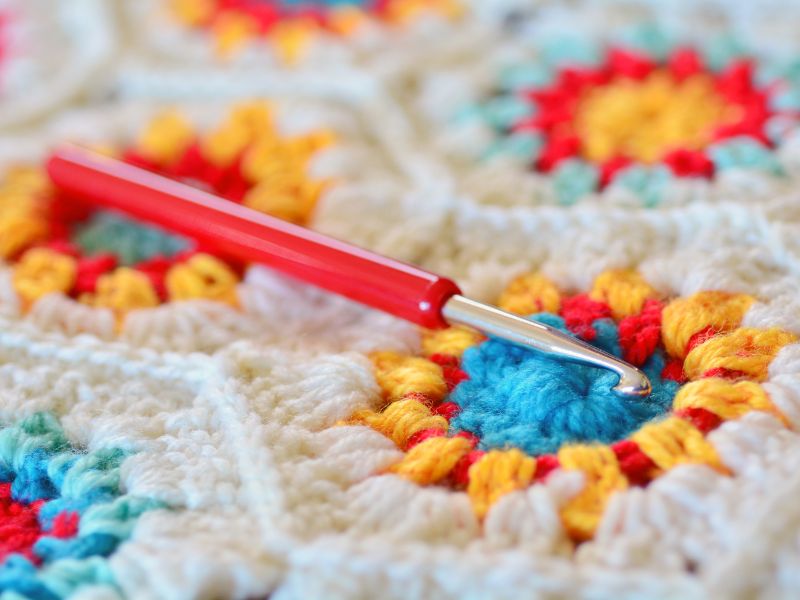
Understanding crochet patterns involves becoming familiar with common abbreviations and symbols. Each pattern usually includes a legend explaining these shortcuts. Start with simple patterns to build confidence, then gradually progress to more complex ones as you become familiar with the crochet language.
What are the best projects for beginners to start with
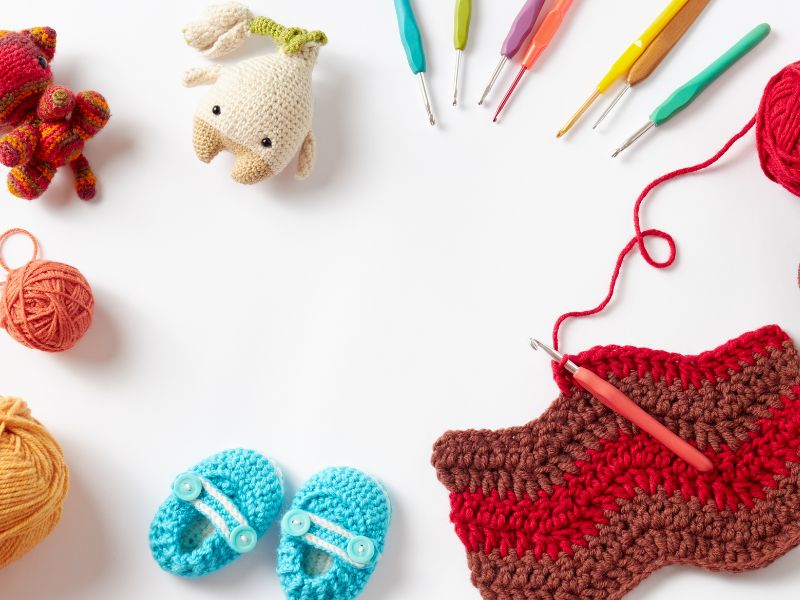
Beginners should start with projects that involve simple shapes and minimal fitting, such as washcloths or scarves. These types of projects allow you to practice basic stitches and techniques without overwhelming complexity. As you become more comfortable, progress to more intricate projects like hats or amigurumi.
How long does it take to learn how to crochet
The time required to learn crochet varies from person to person. However, good online resources can expedite the process. Many blogs provide patterns and advice for beginners. If you want a step-by-step guide, consider this one: How to Crochet for Beginners: A Complete Guide for Everyone. It covers the basics, offers tips, and shows how to make essential stitches for beginners.
Platforms like YouTube with tutorial videos and Facebook groups for support and inspiration can also be helpful. With the right guidance, you’ll quickly progress in this rewarding craft.
Summary
Crocheting opens up a world of creativity and allows you to make handmade treasures. This guide has prepared you with the essentials. You’re now ready to learn your first stitches and weave a little magic of your own!
FAQ
Can I use the same pattern for different projects?
Yes, you can modify the same pattern for different projects by changing the yarn or hook size. However, keep in mind how these adjustments will affect the texture and size of the final product. As a beginner, it’s better to follow a pattern exactly until you gain more experience.
How do I increase or decrease stitches in a project?
To increase stitches, make more than one stitch in the same space. To decrease, combine two or more stitches into one.
Is it better to learn through videos or written instructions?
This depends on your learning style. Videos offer real-time demonstrations useful for beginners, while written instructions are handy for reference as you work.
How do I fix mistakes in my crochet work?
To fix errors, pull out the stitches back to where the mistake occurred (known as “frogging”) and crochet correctly from that point.
Can I crochet with multiple colors in one project?
Yes, you can add multiple colors to create stripes, gradients, or other colorful patterns in your project.
How do I add decorative elements to my crochet projects?
You can sew beads, buttons, or embroidery onto finished crochet pieces to add decorative elements.
How do I make a slip knot?
To make a slip knot, loop the yarn around your fingers to create a circle, then pull a loop of yarn through this circle and tighten it.
What is the best way to block and finish a crochet project?
Blocking involves wetting your finished project, shaping it to the correct dimensions, and allowing it to dry. This process helps set the stitches and enhances the appearance of your crochet work.