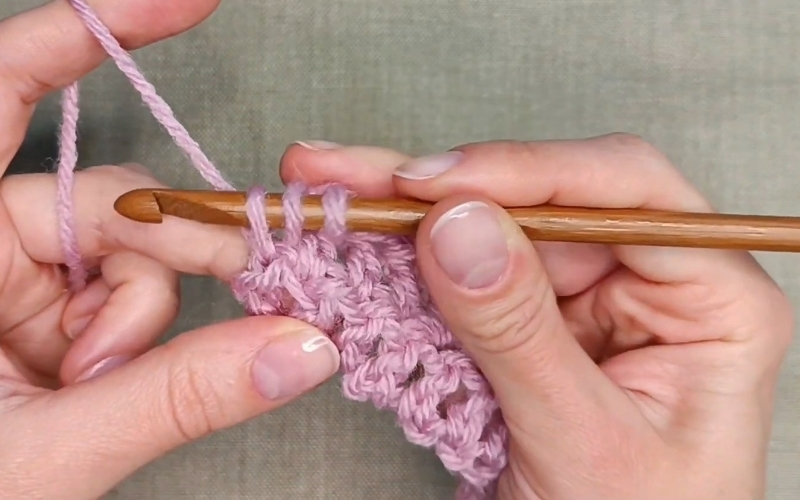
Double crochet is a fundamental crochet stitch that every crocheter should know. Beginners should definitely learn this stitch as it appears in many crochet patterns, whether for blankets, scarves, or garments.
Understanding Double Crochet vs. Single Crochet
Double crochet and single crochet are essential stitches mastered by beginners. However, they have different constructions and serve varied purposes. Double crochet is taller than single crochet, adding texture and creating less dense fabric due to its height. This makes it suitable for lightweight garments.
Using Double Crochet for Blankets or Afghans
Double crochets work up faster than single crochets, often used in blanket patterns to speed up the process and enhance texture. This stitch creates larger spaces, giving a light feel to the fabric. It is also ideal for making granny squares, perfect for beautiful afghans.
Blankets with double crochet are great for spring and summer, but using a thicker yarn can make them warm enough for cold winter evenings.
Double Crochet for Amigurumi
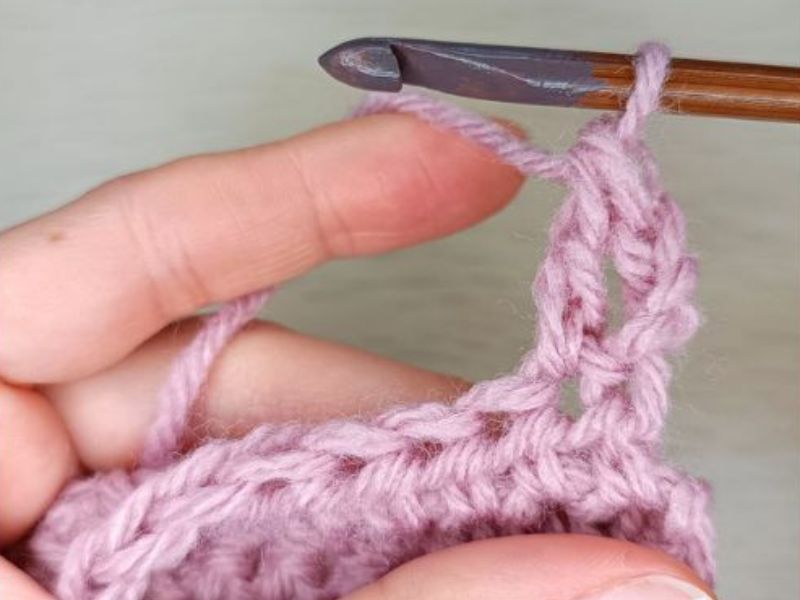
Double crochet isn’t commonly used for making amigurumi because these toys require a dense fabric, usually achieved with single crochet, to keep filling from showing. However, crochet clothes for amigurumi can use double crochet for more texture.
Choosing Yarn for Double Crochet Projects
The choice of yarn depends on your project. Beginners should start with medium-weight yarns, suitable for clothing, blankets, and home items.
Importance of Counting Stitches in Double Crochet
Counting stitches is crucial in crochet to achieve the desired look. Incorrect stitch counts can make your design either larger or smaller than intended.
How to Make a Double Crochet Stitch
Want to learn double crochet? Check out How To Do A Double Crochet [Video for Beginners] for a detailed guide with tips and photo instructions. Prefer videos? Watch the tutorial below.
You might also like How To Make A Chain Stitch – Easy Crochet Tutorial.
FAQ
The Role of a Turning Chain in Double Crochet
Turning chains allow for the height needed in a new row, acting as the first stitch. It helps maintain balanced edges.
Creating a Ribbed Effect with Double Crochet
Use a combination of front post and back post double crochets, alternating each row to create a ribbed pattern by distributing yarn on both fabric sides.
Properly Weaving in Ends in Double Crochet
To weave ends, use a tapestry needle to thread yarn through the back of stitches, ensuring security without affecting the project’s look.
Changing Colors in a Double Crochet Project
To switch colors, introduce the new color at a row’s end. Pull it through during the last double crochet yarn over, leaving a yarn tail for a smooth transition.
Special Techniques for Working in the Round with Double Crochet
Join each round with a slip stitch and start new rounds with a chain matching the double crochet’s height for consistency.
Creating Borders or Edging in Double Crochet
Evenly distribute stitches along edges, adding extra stitches in corners to keep borders flat and enhance the project’s appearance.