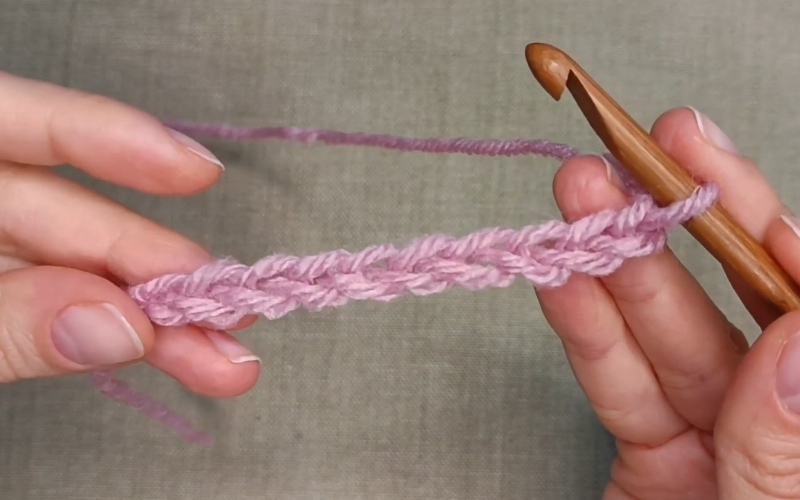
Every crochet journey begins by learning the essential stitches, and one of the key ones is the single crochet. This stitch is prevalent in nearly every pattern, and mastering it is crucial for crocheting effectively. If your goal is to one day make a stylish sweater or a simple blanket, knowing how to create a single crochet is crucial.
What is a single crochet stitch?
The single crochet stitch is likely the simplest and one of the most pivotal stitches in crochet. It creates a tight and dense fabric, making it ideal for a variety of crochet projects. Beginners often perfect other fundamental crochet techniques, such as handling the crochet hook and yarn, while working with this stitch.
Absolutely, single crochet stitches are used to create a wide range of items, from casual wear like scarves and hats to household items such as blankets and pillows, and even cute plush toys. Using single crochets for blankets results in a warm, dense fabric perfect for cozying up. For amigurumi, the tight stitches ensure that no stuffing peeks through, giving your yarn figurines a polished appearance.
Additionally, single crochets can be used to craft beautiful clothing suitable for any season, from cozy sweaters and scarves to ward off winter cold, to stylish summer tops and dresses.
What is the difference between single crochet and double crochet?
While single and double crochet stitches might look similar at first, they are markedly different in their construction and appearance. Single crochet stitches are shorter, creating a denser and more compact fabric, making them ideal for projects requiring a sturdy texture. On the contrary, double crochet stitches are taller, resulting in a looser, more flexible fabric suitable for creating lighter, breathable pieces. Understanding these differences helps you make informed decisions about which stitch is best for your project.
What type of yarn is best for single crochet?
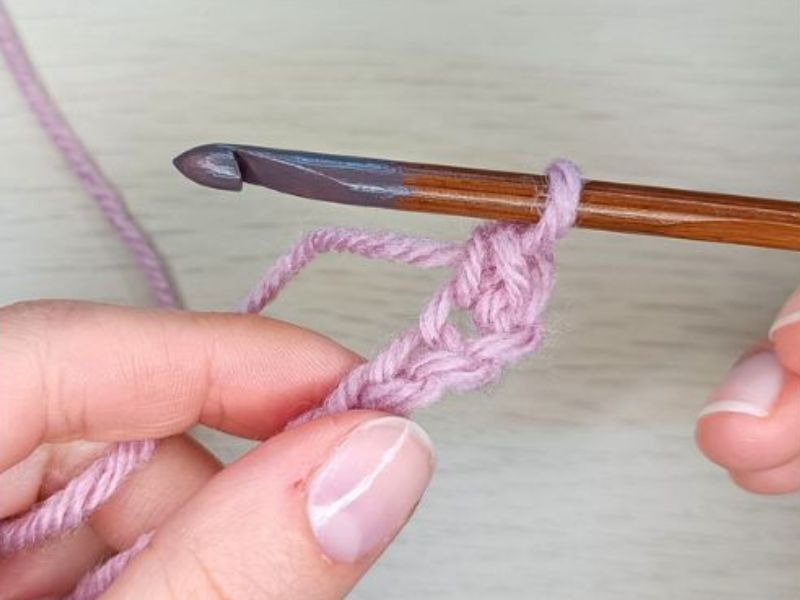
When practicing this stitch, using a medium-weight yarn such as aran or worsted is recommended, as it is thick enough for easy handling. Stitches are also more visible when working with yarn in lighter colors like white, beige, or gray, so it’s advisable to start with one of these.
How do I make a single crochet stitch?
Learning the single crochet stitch becomes more manageable with detailed tutorials and videos available. For a comprehensive guide, refer to this article on mastering the single crochet stitch which includes instructions to help you quickly grasp this basic stitch.
Are there any common mistakes to avoid when doing single crochet?
When working with single crochet stitches, beginners might sometimes insert their hook into the wrong part of the stitch. Another common mistake is missing the last stitch at the end of rows, which can alter the final shape of the project. To prevent these errors, it’s important to count your stitches at the end of each row and make use of stitch markers to indicate where a row starts or ends.
How do I fix a mistake in a row of single crochet?
The first step is to identify the error within the row, and then carefully undo the stitches back to where the mistake occurred. This process, often called ‘frogging’, allows you to rework the section accurately.
What are some variations of the single crochet stitch?
There are numerous ways to add interesting textures to your crochet work using variations of the single crochet stitch:
- Extended single crochet – Created similarly to the basic single crochet but with an additional loop, resulting in a taller stitch while maintaining a solid fabric without gaps.
- Front loop single crochet and back loop single crochet – These introduce ribbed or textured appearances to the fabric.
By exploring these variations, you can bring a new level of creativity and personalization to your crochet projects.
Are there any tips for maintaining tension while single crocheting?
Maintaining even tension is crucial for producing a neat fabric. A good strategy is to hold the working yarn in a way that it smoothly glides between your fingers while not being too loose. Like many skills, mastering tension control becomes easier with regular practice.