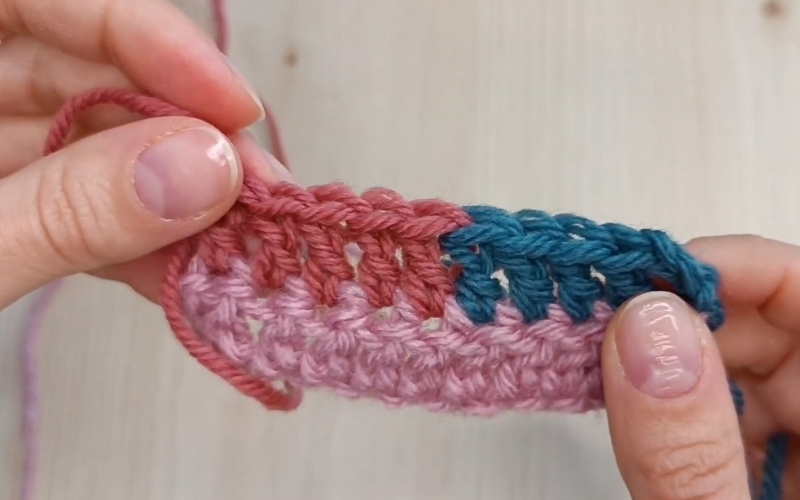
Adding color changes to your crochet projects brings a vibrant look. Whether you’re making a colorful blanket, adorable amigurumi, or a striped scarf, knowing how to switch colors ensures a neat and professional appearance. This guide explains how to change yarn using common techniques.
Understanding Color Changing in Crochet
Color changing in crochet involves shifting from one yarn color to another while working on a piece. This technique is essential for creating patterns, stripes, and designs, adding depth and visual interest to your work.
Basic Technique for Changing Colors
To change colors in your crochet project, follow these easy steps:
- Complete the last stitch in your current color, stopping before the final yarn-over.
- Release the old color, introduce the new color, and pull the yarn through the loops on your hook to complete the stitch.
- Continue crocheting with the new color.
Afterward, you can cut the old yarn color, leaving a long tail for weaving in later.
This technique applies to changing colors with any basic stitch, such as single crochet or half double crochet.
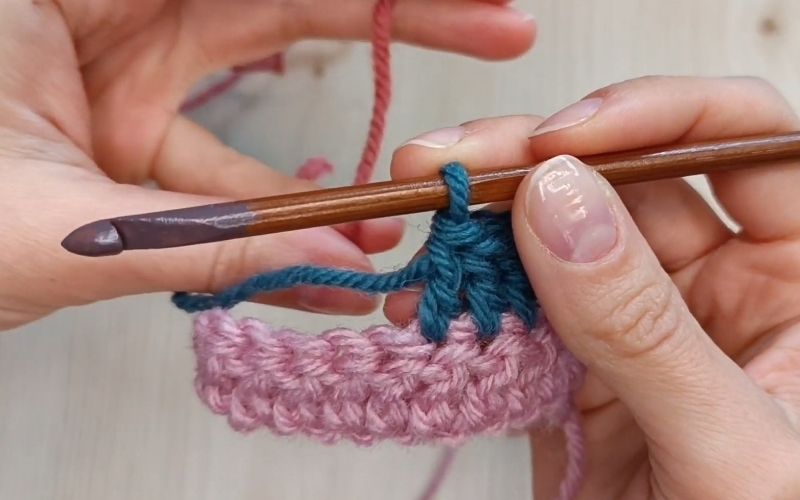
photo source: yourcrochet.com
Changing Colors Using Single Crochet
For beginners, changing colors in a single crochet is a great starting point. Here are the steps:
When at the final stitch of the current color, insert your hook, yarn over, and pull through.
Next, yarn over with the new color, and pull through both loops on the hook to complete the stitch.
Changing Colors Using Double Crochet
To change colors in double crochet, begin your stitch until two loops remain on the hook, then yarn over with the new color and pull through the loops to finish.
Changing Colors Using Half-Double Crochet
For half-double crochet, work your stitch until three loops are left on the hook, then pick up the new color, yarn over, and pull through all loops.
Video Tutorial: Changing Colors in Crochet
Learn the basics of changing colors through this crochet tutorial.
prepared by crochetpedia.com
For more assistance, explore this detailed article:
These resources offer step-by-step guidance.
Changing Colors in the Round
When working in the round, color changes can differ slightly. Here’s how:
End of a Round
To switch colors at the end of a round, complete the last stitch with the new color and then continue crocheting with it in the next round.
Mid-Round
To change colors mid-round, finish the stitch before the color change, and pull through the new color to complete it.
Spiral Rounds
Working in spiral rounds involves continuous crocheting without joining at the end. This can complicate color changes, especially when avoiding noticeable “steps” or “jogs.”
For a smooth color transition, perform a normal color change, then make a slip stitch in the next stitch instead of a single crochet. This results in a softer color change that improves the appearance of your work. Continue with single crochets afterward.
Changing Colors in Rows
Changing colors in rows enables the creation of beautiful stripes and patterns. Here’s how:
To change colors at the end of a row, finish your last stitch with the new color, turn the work, and continue crocheting.
For mid-row changes, complete the stitch before the change, then switch to the new color to finish.
Color Changes in Amigurumi
If you’re crocheting stuffed yarn animals, changing colors often is essential. Most amigurumi patterns involve spiral rounds with single crochets.
Learn color changes in amigurumi projects with this simple video tutorial.
Starting a New Color in Granny Squares
Color changes in granny squares become easy with practice. Here’s what to do:
- Finish the last stitch with your current yarn.
- Place your hook in the corner space of the granny square.
- Loop the new yarn color over the hook.
- Pull it through the corner.
- Make a slip stitch, then continue with the new yarn.
his method ensures colors stay neat and vibrant. For more guidance, watch this video tutorial.
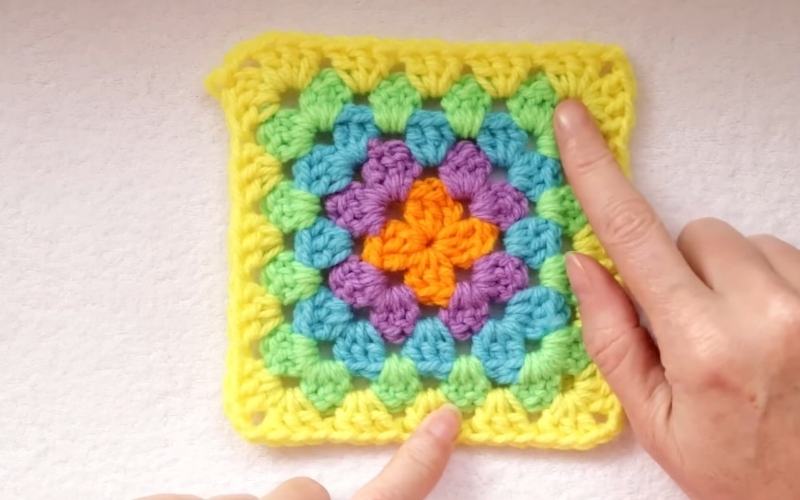
Photo Source: @SecretYarnery
Securing Loose Ends
Securing loose yarn tails is crucial before completing your project to keep it tidy and prevent unraveling.
To weave in the ends, thread the yarn tail onto a needle and weave it through several stitches on the backside, changing directions to secure it. Trim any excess yarn.
Exploring Advanced Color Changing Techniques
Once you’re confident, explore advanced techniques for stunning colorwork projects.
Intarsia Method
The intarsia method uses separate yarn balls for each color block, ideal for large color areas. It’s great for creating graphic designs and pictures within your project.
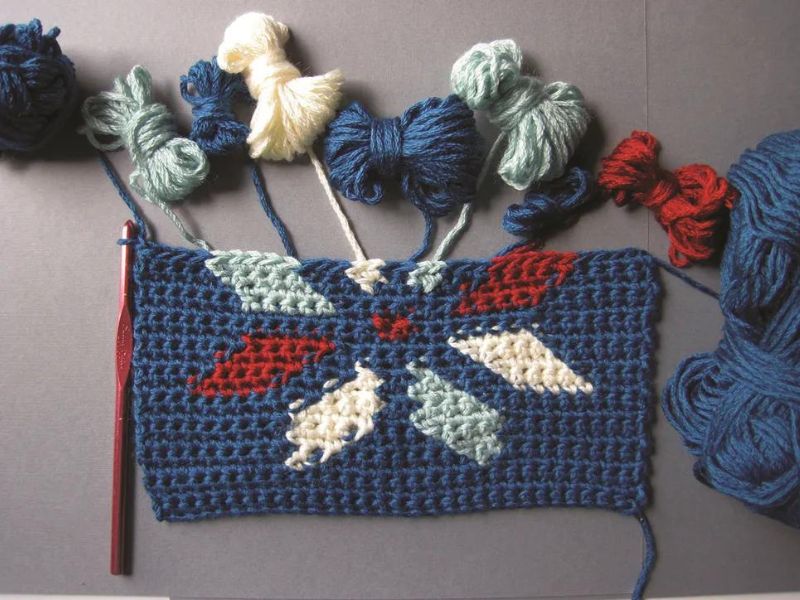
photo source: interweave.com
Tapestry Crochet Method
Tapestry crochet involves carrying multiple yarns along the row, crocheting over unused colors. This technique allows intricate, colorful designs without frequent yarn cutting and rejoining.
Learn more from this article.
Overlay Crochet Method
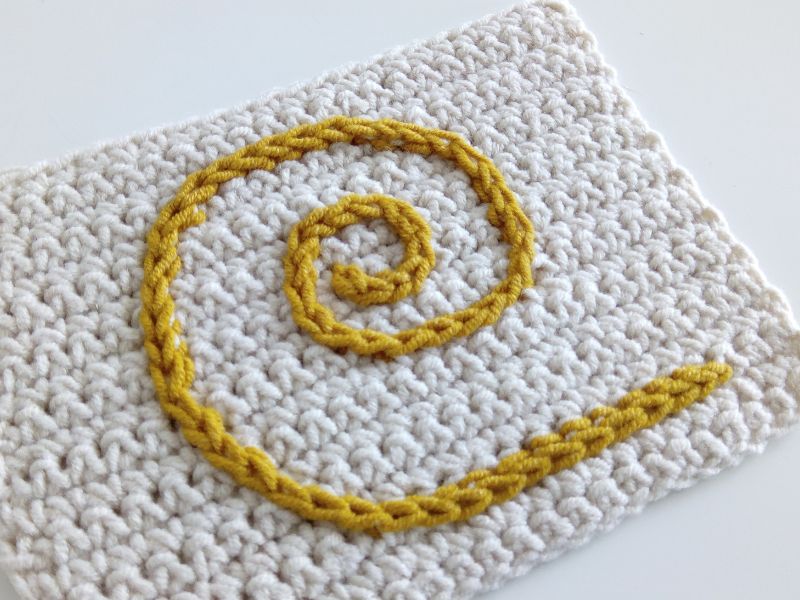
Overlay crochet adds layers of color on top of existing work, creating a textured, three-dimensional effect. This technique employs front post stitches to bring the new color to the front.
Summary
Changing yarn colors in crochet enhances your projects, making them more visually appealing. From basic techniques like slip stitch to advanced methods like intarsia and tapestry, various options allow color switching.
Frequently Asked Questions
What is the best way to change colors neatly in crochet?
The invisible join is often recommended for a seamless finish without visible knots or ends.
Can colors be changed mid-project?
Yes, you can change colors at any point, including mid-row or mid-round, enabling intricate patterns and designs.
How do you carry yarn when changing colors?
The carry-up method involves carrying unused yarn along the row or round, crocheting over it.
What is the difference between changing colors and changing yarn?
Changing colors refers to switching yarn colors within a project while changing yarn involves a different type or weight of yarn.
Can colors be changed within the same row?
Yes, you can change colors within the same row for stripes or patterns by finishing the stitch before the change with the new color.
How do you change colors without gaps?
Use the standing stitch or invisible join method, ensuring proper tension and secure color transition.
What is the invisible color change?
The invisible color change allows seamless transitions by finishing the last stitch with the new color and weaving in ends to avoid knots.
Can you change colors in Tunisian crochet?
Similar techniques can be applied in Tunisian crochet, including carrying yarn and using seamless joining methods.
How do you change colors in corner-to-corner crochet?
Change colors at the start of a new block by finishing the last stitch with the new color, then continue with the new block.